


When you're back to back to work after a well-deserved break, you're back to routines - and back pain.
After weeks of holidays, relaxed schedules and less time sitting at a desk, your body suddenly has to adapt again. Long hours of sitting, poor posture and work stress often lead to stiffness, aches and lower back pain that seems to come out of nowhere.
The good news? This type of back pain is common, preventative and very treatable when addressed early.
Why back pain often appears after returning to work
Your spine thrives on movement and variety. During the holidays, you likely moved more freely, changed positions often and didn’t sit for hours at a time.
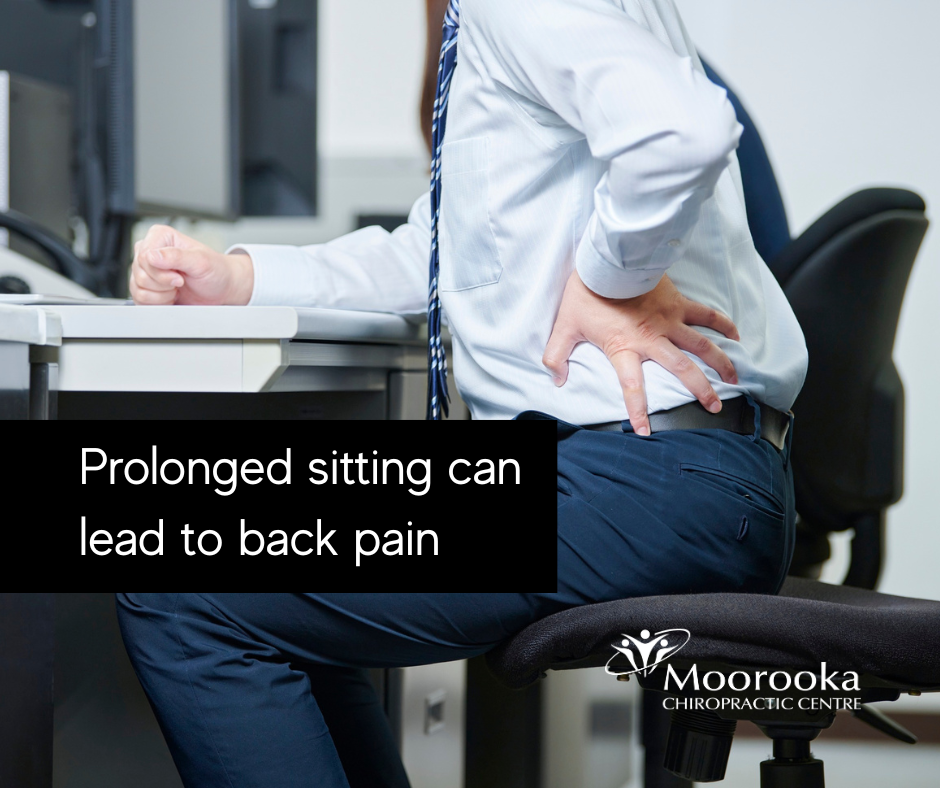 | Once work resumes, many people:
This sudden shift places strain on the spinal joints, muscles and discs - especially if posture isn’t ideal. |
How desk work affects your spine
Sitting might feel harmless, but prolonged sitting:
-
Compresses spinal discs
-
Weakens core and postural muscles
-
Tighten hip flexors and hamstrings
-
Encourage rounded shoulders and forward head posture
Over time, this can lead to workplace back pain, neck stiffness, headaches and even nerve irritation.
Early warning signs you shouldn’t ignore
Back pain rarely starts severe. It usually begins subtly, such as:
|
Ignoring these signs can allow small issues to become long term problems.
What you can do right now
| Single changes can make a big difference:
These are helpful spinal health tips, but they don’t address underlying joint or alignment issues. | 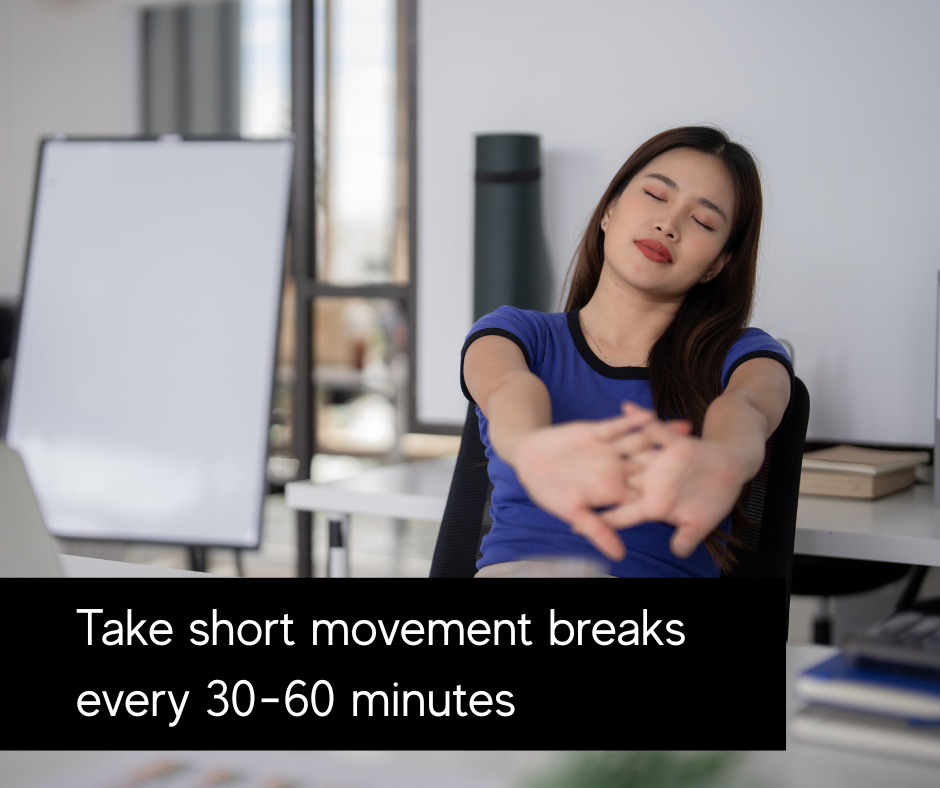 |
How a back pain chiropractor can help
A chiropractor looks beyond symptoms to identify how your spine is moving and functioning. Chiropractic care can:
-
Improve spinal joint movement
-
Reduce muscle tension
-
Address postural strain
-
Help prevent recurring pain
-
Support long term spinal health
If your back pain has returned with work, early care can help stop it from becoming chronic.
If you’re dealing with back pain after returning to work, seeing our chiropractors sooner rather than later can make all the difference.