

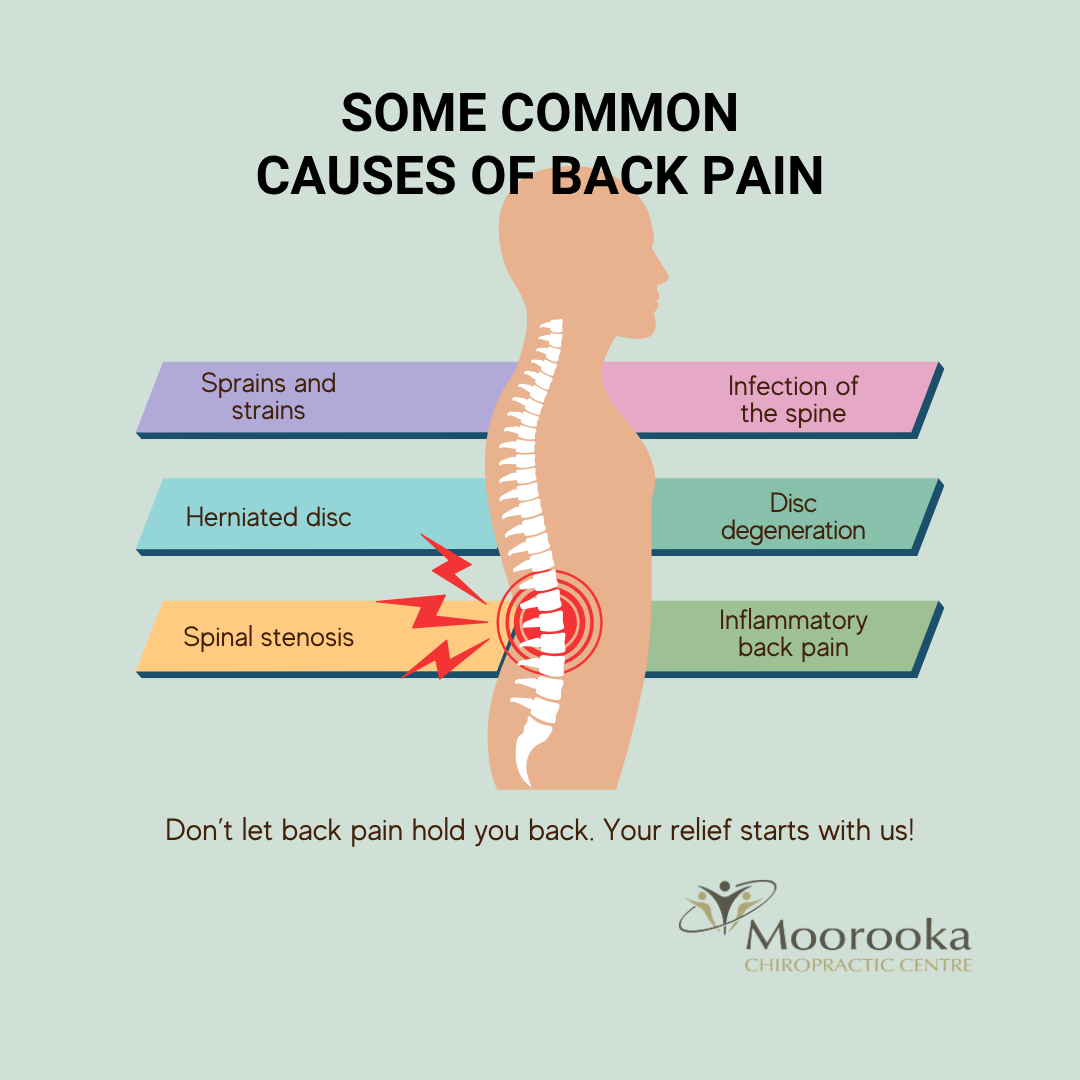
For many of us, back pain can start as a minor inconvenience, some numbness and tingly here, a little stiffness there. All pain starts off small, at a 2-3 out of 10 level which makes it easy to ignore, push through, or assume it will subdue on its own. But at Moorooka Chiropractic Centre, and through daily practices, we know that too often, what begins as a small issue is able to quietly build into a chronic condition. Chronic conditions can have negative externalities for its effects on sleep, work, and quality of life.
It’s not just about knowing how to treat back pain when it’s severe. It is knowing when to see a chiropractor for back pain so you can address it before it becomes chronic…
Good news? Early intervention is simple, effective, and can save you months (or years) of recurring discomfort.
Why timing matters for back pain
Your spine is resilient and is capable of sending clear signals when something isn’t right…sending messages is your spine’s top priority. In the early stages of spinal dysfunction, these signals are subtle, perhaps you feel some stiffness after sitting, tightness that lingers on your shoulder longer than it should, and lifting something suddenly jolts a painful spike in your spine….
This early phase is your window of opportunity. Addressing issues during this time usually requires:
-
Less intensive care
-
Fewer visits
-
Faster recovery
-
Lower risk of recurrence
Waiting until the pain becomes severe, constant, or begins interfering with your daily routine often means the underlying problem, the slight tingle you ignored a few weeks ago has progressed. What started as a simple joint restriction may have developed into compensatory patterns creating muscle imbalances and induce nerve irritations.
How Back Pain becomes Chronic
Back pain doesn’t usually become chronic overnight. It develops through a gradual process.
👉 Week 1-2: Perhaps you may notice the stiffness or a dull ache after certain triggering activities. As most people, you assume it will settle on its own.
👉 Week 3-4: Your routine keeps going as per normal. So does the discomfort from week 1. It keeps returning which incentivises you to modify how you move: you shift weights differently, you avoid certain positions and without realising it…you’re trying to live with it.
👉 Month 2-3: Compensatory patterns is now a habit: tightened muscles, joints stiffen further, and other areas of your spine (and its communication channels - your back, shoulder, neck…) begins to feel the strain.
👉 Beyond Month 3: At this stage, what began as a minor movement issue, has now become a persistent condition. Your routine stays the same but you require more rest as recovery takes longer and requires more comprehensive care than usual.
Knowing when to see a chiropractor for back pain means recognising this process and acting on it as early as you are able.
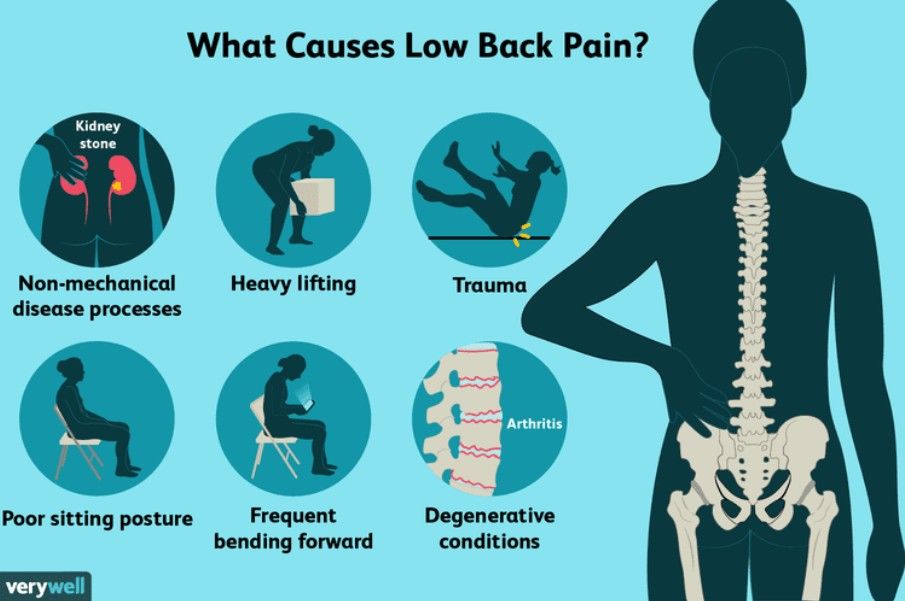
Early Warning Signs You Shouldn’t Ignore
Back pain rarely starts severe. As it begins subtly, noticing the signs early on brings onboard much higher returns for your spine health.
-
Morning stiffness that requires 15-20 minutes to subdue
-
A dull ache after sitting – this appears consistently after desk work or driving
-
Recurring discomfort that seems to resolve, only to return with the same activity
-
Reduced range of motion such as difficulty bending, twisting, or even turning your head…If you are able to turn your head one direction more than the other, it might be time for a check-up’
-
Needing to stretch constantly for relief that does not last
-
Relying on pain medications more than once or twice a week
Ignoring such signs as above could allow small issues to become long-term problems. Early assessment at your local chiropractic clinics can help to identify whether your spine is contributing and what steps are to be taken to address it.
What You Can Do Right Now
Noticing the early signs? Below are simple changes that can make a difference
-
Your spine thrives on movement so aim to stand, stretch, or walk briefly every hour
-
When sitting, keep feet flat, hips slightly higher than knees and screens in front of you at appropriate eye level
-
Regular walking, gentle stretching, and varied movement help maintain spinal mobility.
Listening to your body early on pays off. So if an activity is consistently causing you discomfort, even at the mild 2-3 out of 10 pain level, we advise that you don’t push through it; investigate why and make time to resolve the discomfort.
Though these tips help your spinal health, they certainly don’t address possible underlying joint or alignment core issues that may be driving your symptoms.
How can a back pain chiropractor in Brisbane help?
A chiropractor looks beyond symptoms to identify how your spine is moving, its current position and functionality. Early assessments and adjustments can help to determine whether your joint restrictions, muscle imbalances, or postural strains are contributing to your discomfort.
Chiropractic care can:
-
Improve spinal joint movement
-
Reduce muscle tension
-
Address postural strain
-
Help prevent recurring pain
-
Support long term spinal health
Through appointments, chiropractors can help to restore spinal joint motion, reduce muscle tension, and support long-term spinal health with tailored care.
Early treatment prevents the small issues from becoming chronic. If you are noticing the recurring discomfort, book an appointment with one of our chiropractors to understand the root cause and how to prevent it from coming back.