


If you're a tradie, chances are you've either dealt with lower back pain yourself or worked alongside someone who has. At Moorooka Chiropractic Centre, tradespeople make up a significant portion of the patients who walk in — or hobble in — with a sore lower back. It's not a coincidence. The physical nature of trade work places a level of strain on the spine that most desk-based jobs simply don't.
Here's what's actually going on, and some practical steps that may help protect your back so it lasts your whole career, not just the next few years.
1. The Job Itself Is Physically Relentless
| Whether you're a chippy, sparky, plumber, or on the tools in any capacity, your day usually involves some combination of heavy lifting, bending, kneeling, twisting, and working in awkward positions. Unlike a gym session, where you control the load and the movement, on-site work often forces your body into whatever position gets the job done — not the position that's best for your spine. A single awkward lift might not cause an issue on its own. But repeat that hundreds of times a week, week after week, year after year, and the cumulative load adds up. This is one of the most important things we explain to patients: back injuries are rarely about one big moment. They're usually the final straw on top of months or years of accumulated stress on the discs, joints, and muscles of the lower back. |  |
2. Repetitive Movement Can Be a Bigger Factor Than Heavy Lifting
It's a common assumption that heavy lifts cause the most damage, but repetitive strain is often a bigger contributing factor. Bending and twisting under load — reaching into a ute tray, shovelling, tiling, running cable — loads the lower back discs asymmetrically. Over time, this uneven loading is understood to be a contributor to disc degeneration and the nagging, hard-to-shake aches that tend to flare up every afternoon.
3. Vibration and Vehicle Time Add Up
Plenty of trades spend a good part of the day driving between jobs or operating vibrating tools and machinery. Whole-body vibration — from utes, excavators, jackhammers, and similar equipment — is a well-documented contributor to lower back issues. It can fatigue the stabilising muscles around the spine and increase load on the discs, particularly when combined with poor seat posture.
4. Recovery Often Gets Deprioritised
This is one of the most common patterns we see, and it's less about biomechanics and more about culture. Tradies are, by nature, pretty stoic about pain. There's a "she'll be right" attitude that means niggles get ignored until they become genuine problems. Add early starts, physically demanding days, and often not enough sleep, and the body isn't given the time or resources it needs to repair the micro-damage that builds up from daily wear and tear.
5. Core and Postural Strength Doesn't Always Match the Job Demands
 | It's a common misconception that being strong from manual labour automatically protects your back. Trade work builds strength in certain patterns, but it doesn't necessarily build the deep stabilising strength — through the core, glutes, and postural muscles — that helps protect the spine during the awkward, unplanned movements that happen constantly on site. Someone who can lift heavy in the gym can still tweak their back reaching for a tool bag in an odd position, because injuries often happen in the movements you didn't train for. |
What You Can Actually Do About It
You don't need to leave the trade to look after your back — you need to work smarter around it. Some things worth building into your routine:
- Warm up before the first heavy task of the day. Even five minutes of movement gets blood flowing to the muscles and helps prime the spine for load.
- Vary your movement where you can. If a task allows it, alternate positions and avoid staying bent or twisted for long stretches.
- Lift smart, not just hard. Keep loads close to your body, engage your legs, and avoid twisting while lifting — rotate your feet instead.
- Build a basic strength routine outside of work. Two to three sessions a week focusing on core stability, glutes, and hip mobility can make a real difference in how your back tolerates the demands of the job.
- Don't ignore the niggles. A minor ache that keeps returning may be your body flagging a pattern that's worth addressing before it becomes a bigger issue.
- Get regular check-ups, not just emergency visits. Many tradies only see a chiropractor once something's already gone wrong. Regular care may help identify imbalances and restrictions early, before they turn into time off work.
The Bottom Line
| Lower back pain isn't something you simply have to accept as part of the trade. It's often the predictable result of repeated, cumulative strain on a part of the body that wasn't designed to handle that kind of daily load without support. With the right movement habits, some targeted strength work, and proactive care, many tradies are able to reduce their risk of ongoing back issues — and keep doing the work they're good at for longer. If your back's been giving you grief, don't wait for it to get worse. Book an assessment at Moorooka Chiropractic Centre and let's figure out what's actually going on. | 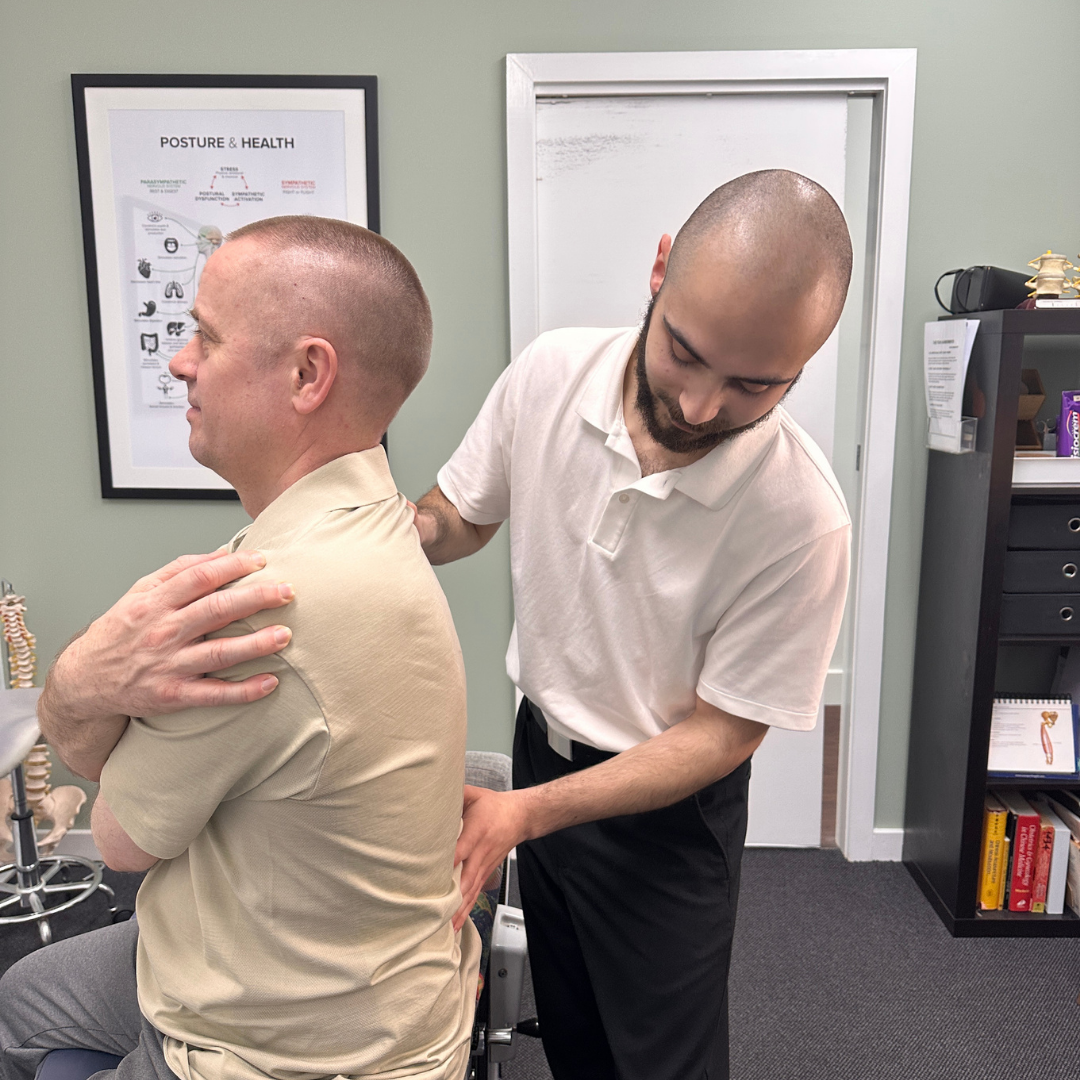 |
This article is general in nature and does not constitute individual health advice. Please consult with one of our practitioners to discuss your specific situation.
FAQ
| Why do tradies get lower back pain so often? | Tradies are exposed to repetitive bending, twisting, heavy lifting, and whole-body vibration from tools and vehicles — all of which place cumulative strain on the lower back over time, rather than causing damage from a single event. |
| Can chiropractic care help tradies with back pain? | Chiropractic care can form part of a broader approach to managing and reducing the risk of occupational back pain, alongside strength work, movement habits, and regular check-ups. A practitioner can assess your specific situation and recommend an appropriate plan. |
| How often should tradies get their back checked? | Rather than waiting until something goes wrong, many practitioners recommend periodic check-ups so imbalances or restrictions can be identified and addressed early. |